
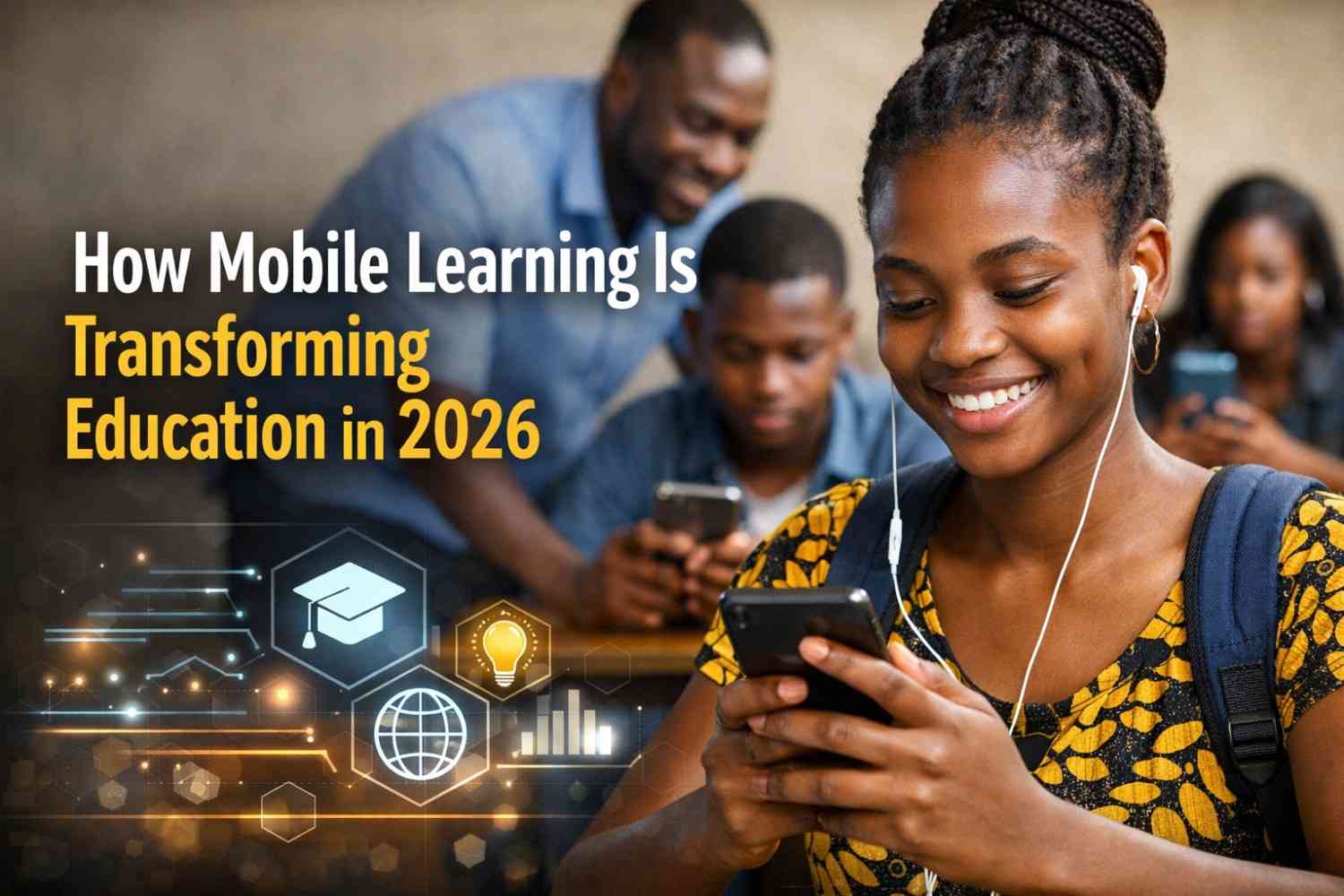
In 2026, education is no longer limited to classrooms, textbooks, or fixed schedules. Mobile Learning Is Transforming Education, With smartphones now more powerful than ever, mobile learning is changing how students access knowledge, build skills, and prepare for the future.
For millions of learners—especially in South Africa—mobile learning has become a lifeline to affordable, flexible education. Whether you’re studying for exams, completing a course, or learning a new skill, your phone is now your classroom.
This guide explains how mobile learning is reshaping education in 2026 and why it matters for students today.
Why Mobile Learning Matters in 2026
Traditional education systems are evolving rapidly.
Students today need learning methods that are:
- Flexible and accessible
- Affordable
- Skills-focused
- Compatible with digital lifestyles
Mobile learning meets all these needs by allowing students to learn on the go, without needing expensive equipment.
Mobile Learning Overview (2026)
| Feature | Details |
|---|---|
| Learning Mode | Mobile-based (smartphones & tablets) |
| Cost | Mostly free or low-cost |
| Accessibility | Anytime, anywhere |
| Duration | Self-paced |
| Content Types | Videos, quizzes, apps, live classes |
| Ideal For | Students, job seekers, professionals |
What Is Mobile Learning?
Mobile learning (also known as m-learning) is the use of mobile devices like smartphones and tablets to access educational content.
It includes:
- Learning apps
- Online courses
- Educational videos
- Digital textbooks
- Interactive quizzes
Instead of sitting in a classroom, students can now learn from any location at any time.
What You Will Learn Through Mobile Learning
Mobile learning focuses on practical, real-world skills.
Key Skills You Can Gain
- Digital literacy and online navigation
- Communication and collaboration
- Problem-solving and critical thinking
- Technical and career-focused skills
- Self-discipline and independent learning
These skills are essential in today’s job market.
How Mobile Learning Is Changing Education
1. Learning Becomes Accessible to Everyone
One of the biggest advantages is accessibility.
Students in rural or underserved areas can now:
- Access courses online
- Learn without travelling
- Study with limited resources
All they need is a smartphone and internet connection.
2. Flexible Learning Schedules
Mobile learning allows students to learn at their own pace.
Related Posts:


Benefits
- Study anytime (morning, evening, or weekends)
- Balance school, work, or personal responsibilities
- Repeat lessons when needed
This flexibility improves understanding and reduces pressure.
3. Affordable Education
Mobile learning reduces education costs significantly.
Why It’s Affordable
- Many apps and courses are free
- No transport or accommodation costs
- Digital materials replace expensive textbooks
This makes education more inclusive.
4. Interactive and Engaging Content
Learning is no longer boring.
Mobile platforms use:
- Videos and animations
- Gamified learning
- Interactive quizzes
This keeps students engaged and improves retention.
5. Supports Skills-Based Learning
Employers in 2026 focus on skills, not just qualifications.
Mobile learning provides access to:
- Short courses
- Certifications
- Career-focused training
Students can quickly learn skills that match job market demands.
Who Can Benefit From Mobile Learning?
Mobile learning is suitable for:
- High school students
- University and TVET students
- Unemployed youth
- Working professionals
There are no strict requirements—anyone with a smartphone can start.
Tools and Resources Needed
Getting started with mobile learning is simple.
Basic Requirements
- Smartphone or tablet
- Internet connection
- Learning apps or websites
- Earphones (optional but helpful)
Even low-cost devices can support most learning platforms.
How to Start Mobile Learning in 2026
Step-by-Step Guide
- Choose a learning platform or app
- Create a free account
- Select a course or subject
- Set a daily learning schedule
- Track your progress
Consistency is key to success.
Benefits of Mobile Learning
Short-Term Benefits
- Quick access to information
- Improved understanding
- Flexible learning
Long-Term Benefits
- Strong digital skills
- Better career opportunities
- Continuous personal development
Mobile learning supports lifelong learning.
Career Opportunities Linked to Mobile Learning
Mobile learning helps you prepare for modern careers.
Career Paths
- Digital Marketing
- IT and Tech Support
- Online Business
- Content Creation
- Administrative roles
These fields rely heavily on digital skills learned through mobile platforms.
Challenges of Mobile Learning
While mobile learning is powerful, it has challenges.
Common Issues
- Distractions from apps and social media
- Limited data or internet access
- Lack of discipline
How to Overcome Them
- Set focused study time
- Use offline resources when possible
- Limit distractions
Tips to Succeed With Mobile Learning
- Create a daily study routine
- Choose quality learning platforms
- Take notes while learning
- Practice what you learn
- Stay consistent
Small daily progress leads to big results.
Final Thoughts
Mobile learning in 2026 is not just a trend—it’s a major shift in how education works.
It offers flexibility, affordability, and access to valuable skills for anyone willing to learn.
If you want to stay competitive, improve your knowledge, and build a better future, your smartphone can be your most powerful learning tool.
Start today—because the future of education is already in your hands.
