
Introduction
South Africa’s healthcare and social development sectors continue facing growing demand for skilled workers, creating important opportunities for unemployed youth seeking workplace training and accredited qualifications.
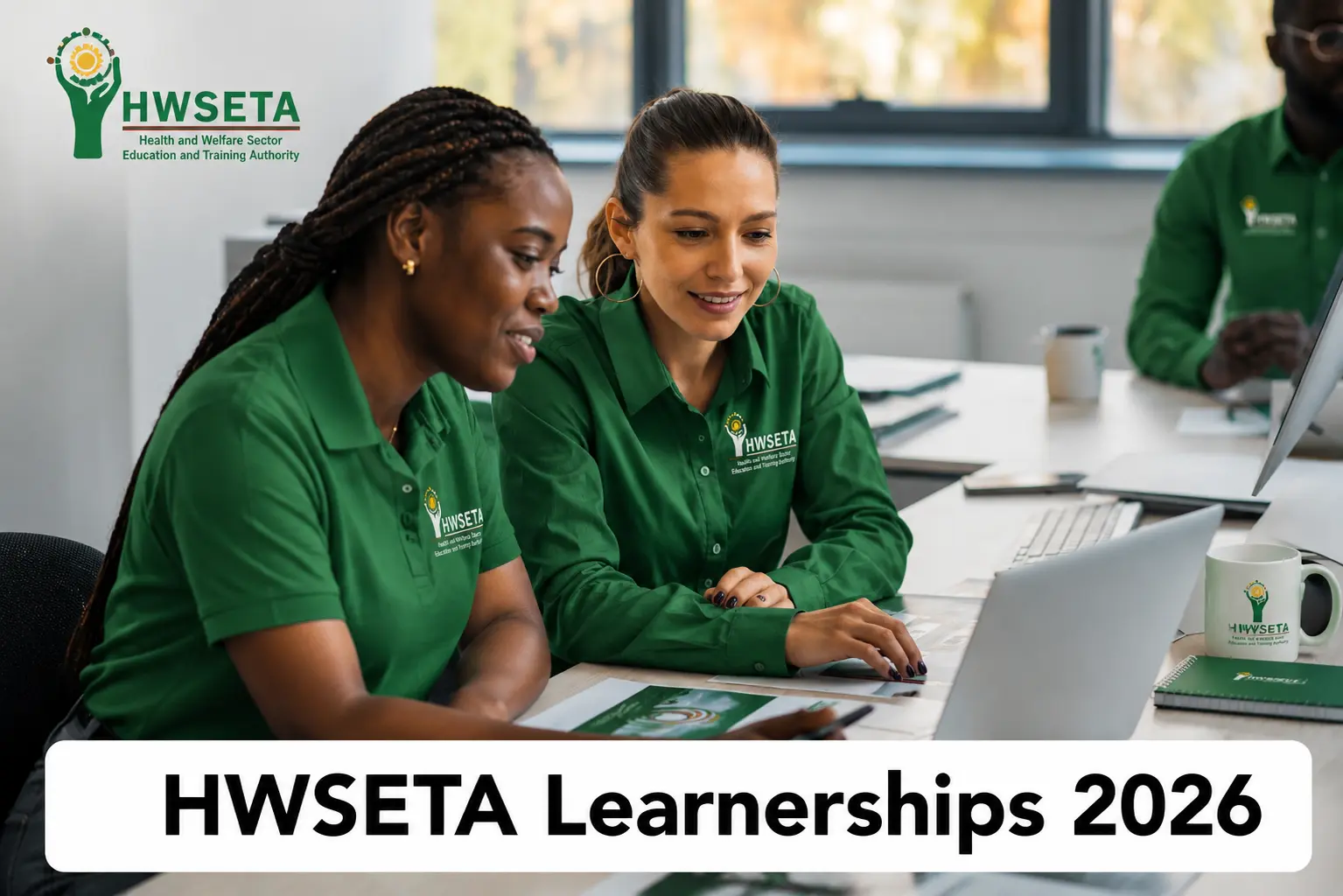
The Health and Welfare Sector Education and Training Authority (HWSETA) continues supporting learnerships, internships and skills programmes aimed at helping South Africans gain practical workplace experience while improving employability in the health and welfare sectors.
HWSETA learnerships for 2026 are expected to attract significant interest from school leavers, unemployed youth and first-time job seekers interested in careers such as nursing, caregiving, pharmacy support, social development and healthcare administration.
Many programmes include:
- Accredited qualifications
- Practical workplace exposure
- Monthly stipends
- Online application opportunities
- Career-focused training
These programmes remain among the most important pathways into South Africa’s healthcare and social development industries.
What Is HWSETA?
The Health and Welfare Sector Education and Training Authority is responsible for skills development within South Africa’s:
- Health sector
- Social development sector
- Veterinary services sector
- Welfare and community services sector
Its goal is to improve workforce skills, support employment creation and strengthen professional training in industries critical to public wellbeing.
HWSETA Learnerships 2026 Overview
| Programme Details | Information |
|---|---|
| Organisation | HWSETA |
| Programme Type | Learnerships & Skills Training |
| Target Group | Unemployed South Africans |
| Industries | Health, welfare, social development |
| Qualification Levels | NQF Levels 3–7 |
| Application Method | Online and provider-based applications |
| Training Focus | Accredited workplace training |
| Financial Support | Monthly stipend may apply |
What Are HWSETA Learnerships?
HWSETA learnerships are structured training programmes combining:
- Classroom learning
- Practical workplace experience
- Accredited qualifications
- Skills development support
Learners gain hands-on exposure while studying toward nationally recognised qualifications linked to healthcare and social services.
Popular HWSETA Learnership Fields for 2026
The health and welfare sectors offer multiple career pathways for young South Africans.
Nursing and Healthcare Support
Popular nursing-related qualifications include:
| Qualification | NQF Level |
|---|---|
| Auxiliary Nursing | Level 5 |
| Midwifery and Neonatal Nursing | Level 7 |
| Medical and Surgical Science | Level 7 |
These programmes are linked to recognised professional bodies such as the South African Nursing Council (SANC).
Pharmacy and Healthcare Assistance
Healthcare support programmes may include:
- Pharmacy Assistant training
- Phlebotomy techniques
- Caregiving programmes
- Community health support
These skills remain in demand across clinics, hospitals and private healthcare facilities.
Social Development and Community Services
Learners may also pursue qualifications in:
Related Posts:



- Child and Youth Care Work
- Social Auxiliary Work
- Community development support
- Counselling support services
These programmes help strengthen South Africa’s social support systems.
Why HWSETA Learnerships Matter in South Africa
South Africa continues facing shortages of trained healthcare and social development workers. Skills development programmes help address these challenges while creating opportunities for unemployed youth.
HWSETA programmes help participants:
- Gain practical workplace experience
- Improve employability
- Build professional confidence
- Access accredited qualifications
- Prepare for long-term careers
The healthcare sector remains one of the country’s most important employment industries.
Monthly Stipends and Financial Support
Many HWSETA-funded programmes provide monthly stipends to support learners during training.
Stipends may help cover:
- Transport costs
- Meals
- Data and communication
- Daily living expenses
Amounts vary depending on the programme and training provider. Some internships currently advertised through HWSETA partnerships offer stipends exceeding R12,000 per month for graduates.
Who Can Apply for HWSETA Learnerships?
Requirements vary depending on the programme, but many opportunities target:
- South African citizens
- Youth aged 18–35
- Unemployed applicants
- Grade 10, Grade 11 or Matric holders
- First-time job seekers
- Graduates in relevant fields
Some programmes may require specific subjects such as Life Sciences or English.
Documents Required for Application
Applicants are generally expected to prepare:
- Certified South African ID copy
- Certified academic results
- Updated CV
- Proof of residence
- Relevant qualifications
- Supporting certificates
Keeping documents updated and certified may improve application success.
Online Application Process for HWSETA Programmes
Many 2026 opportunities use online application systems through official portals and training providers.
Applicants are encouraged to:
- Monitor official HWSETA announcements
- Register on relevant learner portals
- Upload certified documents
- Complete applications accurately
- Apply before closing dates
The official HWSETA website regularly publishes notices, funding opportunities and programme updates.
Official HWSETA Resources
Official Website
Careers and Learner Information
Accredited Qualifications
HWSETA Registered Learnerships
Benefits of Healthcare Learnerships
Healthcare-related learnerships offer long-term career potential because healthcare services remain essential regardless of economic conditions.
Benefits may include:
- Recognised qualifications
- Practical healthcare experience
- Professional registration pathways
- Opportunities for further studies
- Improved employment prospects
Healthcare careers also provide opportunities to make meaningful contributions to communities.
Common Mistakes Applicants Should Avoid
Missing Closing Dates
Many funded opportunities receive high application volumes.
Incomplete Applications
Missing certified documents may result in disqualification.
Applying Through Unverified Platforms
Applicants should avoid fake recruitment pages and use official sources only.
Poorly Prepared CVs
A professional CV improves first impressions during selection processes.
Why Skills Development Is Becoming More Important
South Africa’s labour market increasingly values practical workplace readiness and accredited skills.
Healthcare and welfare sectors continue requiring trained professionals in areas such as:
- Patient care
- Community support
- Healthcare administration
- Social services
- Veterinary support
- Public health promotion
Skills development initiatives help prepare workers for these critical sectors.
Frequently Asked Questions (FAQs)
What is HWSETA?
HWSETA stands for the Health and Welfare Sector Education and Training Authority responsible for skills development in healthcare and social development sectors.
Are HWSETA learnerships paid?
Many programmes offer monthly stipends, although amounts vary depending on the training provider and qualification level.
Can I apply online?
Yes. Many 2026 programmes allow online applications through official platforms and partner organisations.
What qualifications do I need?
Requirements vary, but many programmes accept applicants with Grade 10, Grade 11 or Matric qualifications.
Are HWSETA qualifications accredited?
Yes. Many programmes are nationally recognised and linked to professional bodies such as SANC and HPCSA.
Which careers can I pursue after completing a learnership?
Possible career paths include:
- Nursing
- Caregiving
- Pharmacy support
- Community health work
- Social auxiliary work
- Healthcare administration
Final Thoughts
HWSETA Learnerships 2026 continue offering valuable opportunities for unemployed South Africans seeking accredited training, workplace exposure and career development within healthcare and social development sectors.
As South Africa continues prioritising skills development and workforce readiness, health and welfare learnerships remain among the most practical pathways toward stable employment and long-term professional growth.
For many young South Africans, these programmes represent more than just training opportunities — they provide a foundation for meaningful careers that contribute directly to community wellbeing and national development.
